
Introduction to Cybersecurity:
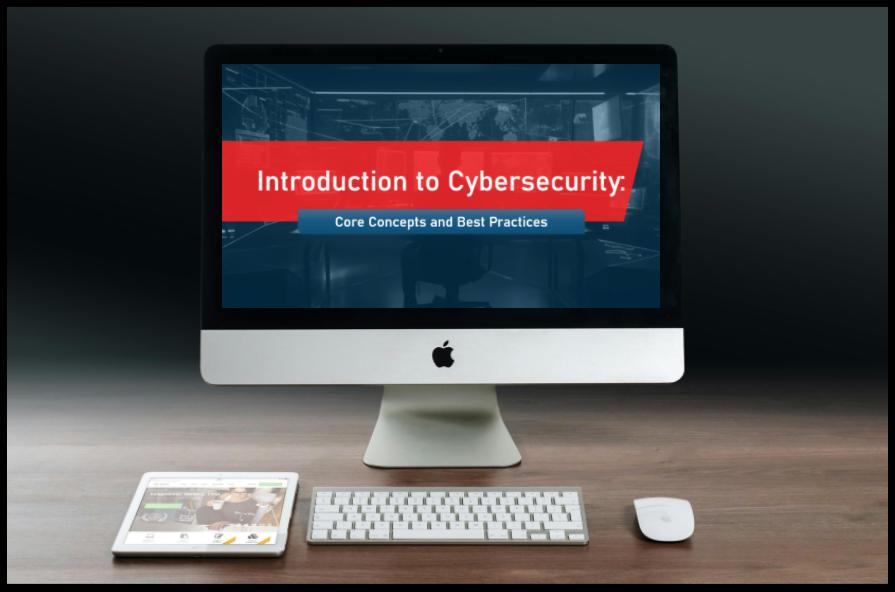
Core Concepts and Best Practices
Overview


In today’s digital workplace, employees are expected to recognize cyber threats and protect sensitive information—but many still lack the foundational knowledge needed to do so confidently.
Traditional cybersecurity trainings often overwhelm learners with technical jargon or rely on static content that fails to show how cyber risks actually unfold in real scenarios.
This gap leaves organizations vulnerable to preventable threats such as phishing attacks, weak passwords, and risky digital behaviors—issues that can lead to data breaches, financial loss, and damaged trust.
To bridge this skills gap, I designed a concise, interactive eLearning course that introduces core cybersecurity concepts and best practices through clear explanations, visual examples, and hands-on decision-making activities.
The course uses realistic scenarios—such as spotting phishing emails, handling suspicious links, and securing personal devices—to help learners immediately apply what they’ve learned in practical contexts.
By combining focused content with engaging interactions and actionable guidance, this training equips employees with the confidence and awareness they need to make safer choices online—delivering a stronger, more secure digital culture for any organization.


Development Process

I began by identifying the key cybersecurity risks employees face and the specific behaviors they need to change. Through reviewing common threats and existing training gaps, I clarified the essential skills the course must build—such as spotting phishing attempts and protecting sensitive information.

Next, I mapped out a streamlined learning experience with clear objectives, focused content, and realistic scenarios. I created storyboards and planned interactive elements that would simplify technical concepts and help learners practice safe decision-making in real-world situations.

Finally, I built the course using modern eLearning tools, incorporating clean visuals, engaging interactions, and meaningful feedback. I refined the module through iterative reviews to ensure it was intuitive, accessible, and ready to deliver practical cybersecurity skills to learners.
Results and Feedback

To prepare the course for rollout, I shared the completed module with a small group of instructional designers for pilot testing. They received clear access instructions and completed the course as if they were end users. During this phase, I monitored for technical issues and gathered their feedback on clarity, usability, and overall learning flow. This small-scale implementation helped confirm the course worked as intended before finalizing it for broader release.

For the evaluation phase, I reviewed the feedback provided by the instructional designers who piloted the course, focusing on clarity, flow, and instructional effectiveness. Their insights—along with any noted usability or assessment issues—helped me determine how well the module met its learning objectives. This targeted review allowed me to refine the content and interactions, ensuring the final course delivered a polished and effective learning experience.

Begin the training journey.